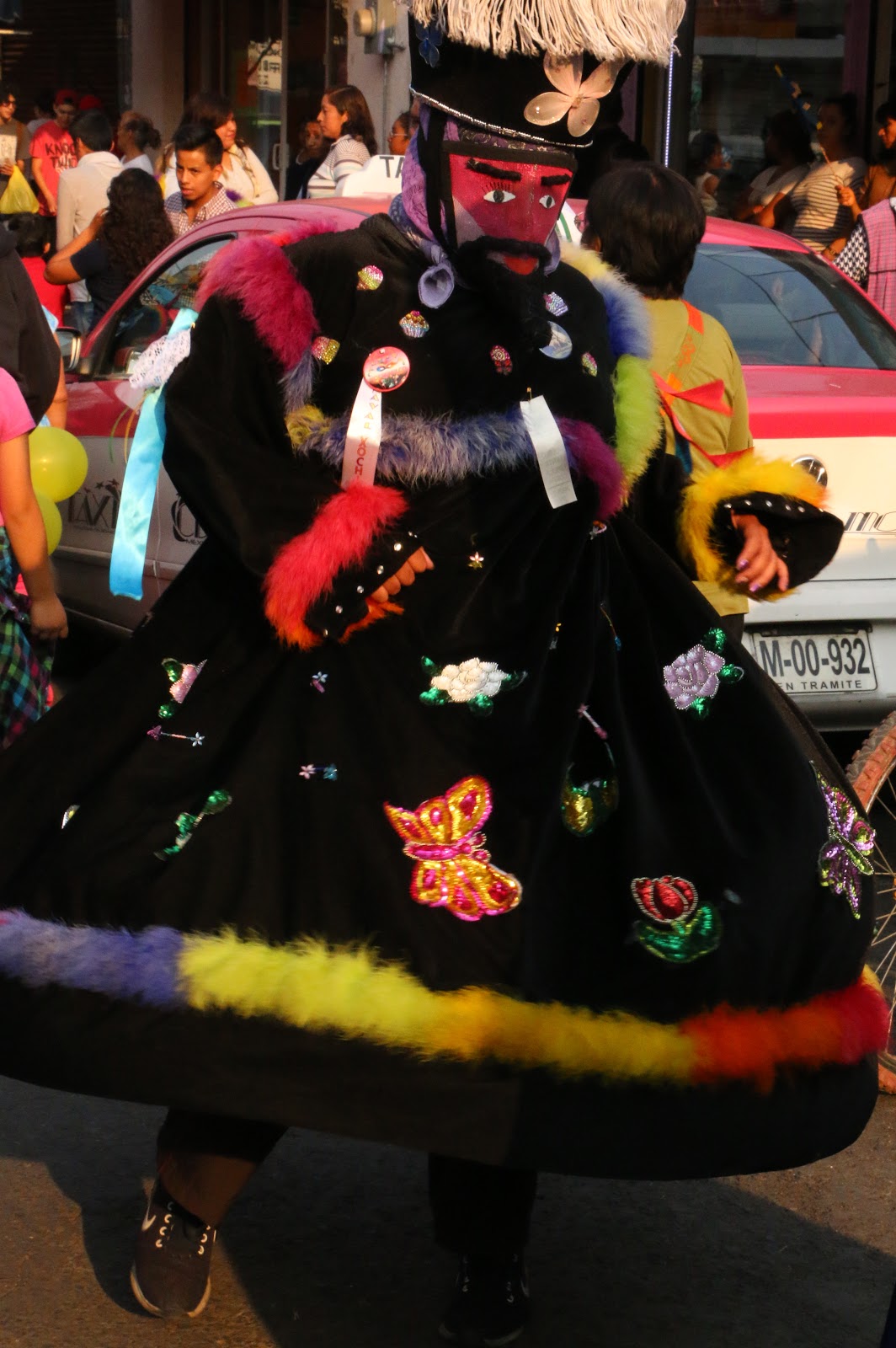
The Facebook page, Fiestas Mágicas de los Pueblos y Barrios Originarios del Valle de México (Magical Festivals of the Original Pueblos and Barrios of the Valley of Mexico) is turning into a major resourch as we seek out these original indigenous settlements and villages in what is now Mexico City. Recently, we saw an announcement on the page of a festival "Son para Milo" to be held for four days in the Delegación or borough of Iztacalco.
We had no idea what "Son para Milo" means. Clearly, it isn't a patron saint fiesta in a barrio or pueblo such as we usually seek out, but a kind of fair to be held at the ayuntamiento, borough hall. The announcement promises "300 musicians", much typical Mexican food and artesanía, crafts for sale. So we decide it could be fun and it would at least be an opportunity to visit a part of Iztacalco, a delegación we haven't explored much.
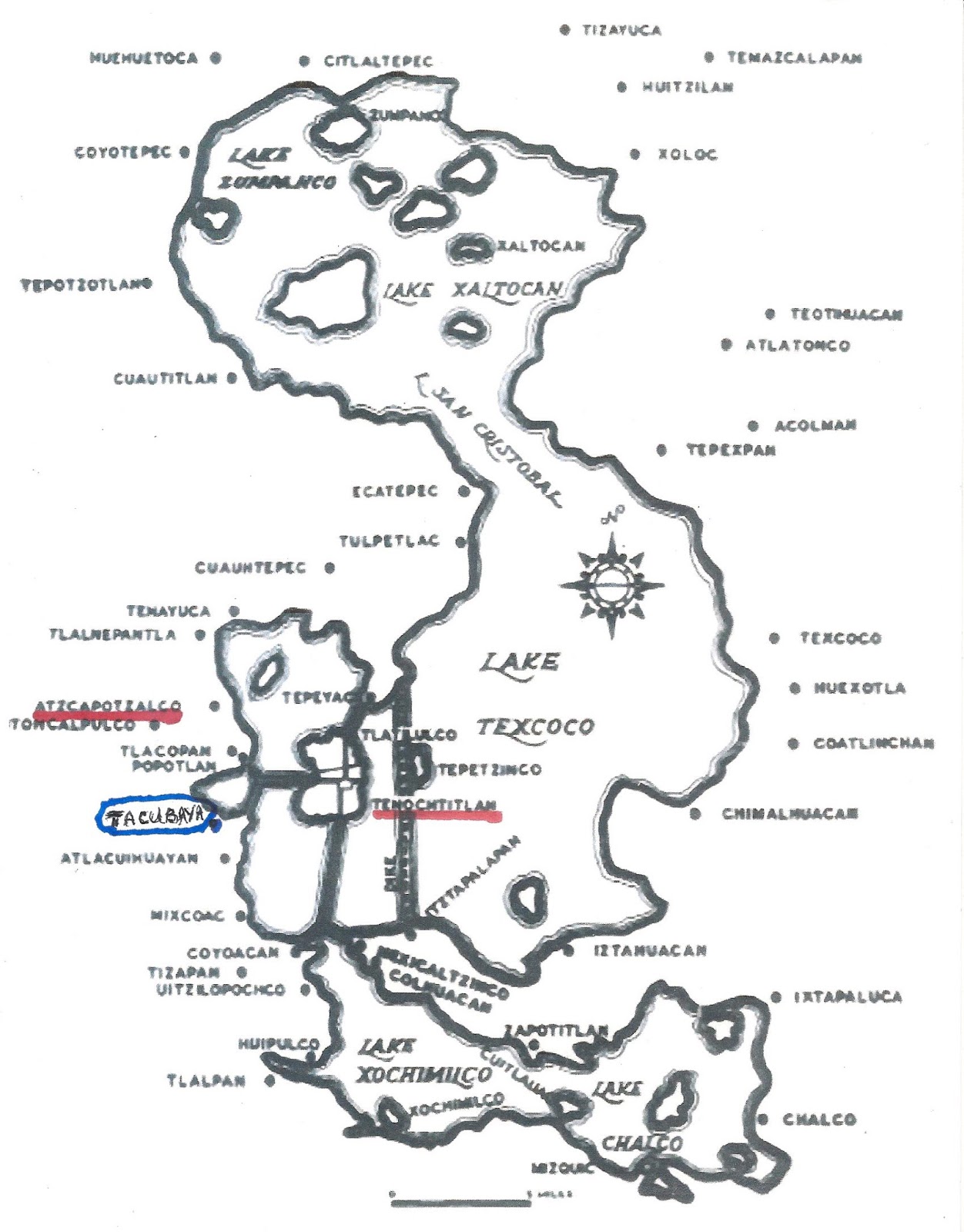
Iztacalco is the smallest of the sixteen delegaciónes that make up Mexico City. At its core is a group of original indigenous villages that once sat on a group of islands in Lake Texcoco, southeast of the islands on which Tenochtitlan was built by the Mexica. When the Lake was drained by the Spanish, the villages remained alongside the Royal Canal, aka La Viga, so they were significant centers of trade and transportation to and from the center city.
On the Saturday morning that is the third day of the festival, we call Andrés—one of our favorite taxi drivers because of our always cheery conversations, and ask if he could take us to Iztacalco. He has told us before that he lives there, so he will certainly know where the ayuntamiento is. He says he is available and will pick us up in ten minutes. When he arrives and we get into his cab, we repeat where we want to go. He says that he lives very nearby. We get onto the Río Churubusco Highway and head northeast.
In about fifteen minutes, Andrés takes an exit and travels up a service road a short distance. Turning right onto a wide street, he says, "Aquí estamos" — "Here we are."
So we pay the fare, with our usual tip, which Mexican cabbies don't expect, thank him and get out. Facing us is a group of rather large three-story buildings that constitute the offices of the Delegación of Iztacalco.

Around the buildings is a large, tree-shaded park that looks very inviting on this sunny summer day. We think that we will have to return some other day to explore it. Now, it is on to the fair.

Walking past the food stalls in the first tent, we enter what is evidently a large, open plaza now filled with two huge tents and a couple of smaller ones. A kind of traditional Mexican music can be heard coming from the largest tent.


In Pátzcuaro, Michoacán, where we lived for three years, there were many indigenous Purépecha women in traditional dress in the mercado and on the streets. Non-indigenous women would wear rebozos, traditional shawls and, perhaps traditional jewelry, but little else in that style. Indigenous men often wore jeans, "western-style" cowboy shirts, boots and sombreros. The dress of non-indigenous men was indistinguisable from the casual dress of men in a small U.S. city or town: T-shirts or golf shirts, jeans or slacks.
Hemilo 'Milo' Rojas Aragón was born in in the Zapotec pueblo of Zaachila, in the Central Valleys of Oaxaca in 1961. He took an early interest in the folk music and dance of his people. In the fall of 1976, at the age of fifteen, he entered the Distinguished National Teachers School in Mexico City. There, he joined one of the dance workshops, called Tezcatlipoca (Nahua god of the night and obscure matters), a workshop that sought to be a vehicle for preserving and promoting traditional Mexican music and dance.
Milo was the founder, in 1985, of one of the most renowned Mexican dance courses within the National Teachers School, "Dance as an Integrator of Art", in which he participated for more than 10 years. He was also an elementary school teacher in several schools in Mexico City. He participated in projects focused on the development of new methods for teaching the arts and in training workshops in the country's normal schools. He received numerous recognitions from Mexican institutions of higher education for his artistic and choreographic direction of Mexican dance.
Milo died suddenly on June 18, 2002, at the age of forty-one. In September of the same year, on the initiative of friends and outstanding musicians, a tribute was organized for him at the National Teachers School. Five traditional music groups participated. In June of 2003 the memorial event was organized again, and called "Son Para Milo"—"Music and Dance for Milo".
The event was very successful, it was decided to institutionalize it as an annual event "Son Para Milo: Encounter of Traditional Mexican Music".
Within ten years the event had grown to include fifty-six musical and dance groups. The audience had also grown so large that in 2015, the event was moved from the teachers college to the plaza of the Delegación of Iztapala. This plaza was chosen because it provides a large, open attractive space, and the delegación is rooted in indigenous pueblos. This year over three hundred musicians participated. (Translated from a article in Spanish by Huget Cuevas, sucedioenoaxaca.com)
Clearly, Milo loved traditional Mexican music and dance, and he communicated that love to his students and fellow teachers. Out of that shared love, they, in turn, created Son Para Milo both to honor him and keep alive that love and that tradition.
What we saw in our visit to this year's festival was how much many Mexicans of all ages—whether from the "provinces" of highly indigenous Oaxaca, Guerrero, Chiapas and other states or hip, urbane chilangos, Mexico City residents—share a love of their traditional music and are enthusiastic bailadores, dancers, who incarnate this love in their bodies con mucho ánimo, with much spirit.
The mission statement of Son Para Milo, now a non-profit, volunteer organization, reads:
We have read much about the split between traditional indigenous and mestizo (mixed-race) Mexican peoples and "modern", European and U.S.-oriented urban Mexicans—a split instituted with the Spanish Conquest and the Spanish caste system. In Son Para Milo, in their dancing together and wearing traditional dress, the two groups, country pueblerinos and urban citadinos, blend indistinguishably together, con mucho alegría, with much joy, and with mucho orgullo, obvious pride in their shared Mexican heritage and identity.
Our sense is that Son Para Milo gives them the opportunity and freedom, publicly and together, to celebrate being Mexican. We are sure Milo would be very happy that his goal has been achieved.
 |
| 16 years Son para Milo Encounter of Traditional Mexican Music Esplanade of Delegación Iztacalco June 1 to 4, 2017 Entrance Free More than 300 musicians, conferences and workshops, gastronomical and crafts demonstrations. Son para Milo is an independent, self-managed, citizen cultural initiative |
We had no idea what "Son para Milo" means. Clearly, it isn't a patron saint fiesta in a barrio or pueblo such as we usually seek out, but a kind of fair to be held at the ayuntamiento, borough hall. The announcement promises "300 musicians", much typical Mexican food and artesanía, crafts for sale. So we decide it could be fun and it would at least be an opportunity to visit a part of Iztacalco, a delegación we haven't explored much.
Iztacalco is the smallest of the sixteen delegaciónes that make up Mexico City. At its core is a group of original indigenous villages that once sat on a group of islands in Lake Texcoco, southeast of the islands on which Tenochtitlan was built by the Mexica. When the Lake was drained by the Spanish, the villages remained alongside the Royal Canal, aka La Viga, so they were significant centers of trade and transportation to and from the center city.
Going to the Fair
On the Saturday morning that is the third day of the festival, we call Andrés—one of our favorite taxi drivers because of our always cheery conversations, and ask if he could take us to Iztacalco. He has told us before that he lives there, so he will certainly know where the ayuntamiento is. He says he is available and will pick us up in ten minutes. When he arrives and we get into his cab, we repeat where we want to go. He says that he lives very nearby. We get onto the Río Churubusco Highway and head northeast.
In about fifteen minutes, Andrés takes an exit and travels up a service road a short distance. Turning right onto a wide street, he says, "Aquí estamos" — "Here we are."
So we pay the fare, with our usual tip, which Mexican cabbies don't expect, thank him and get out. Facing us is a group of rather large three-story buildings that constitute the offices of the Delegación of Iztacalco.


 |
| A wide sidewalk along the side of one of the buildings leads to tents we can see in the back. |
 |
| The first tent is full of puestos, stalls, selling food. Tlayudas are plate-sized, thin, toasted tortillas covered with a variety of ingredients. They originated in the southern state of Oaxaca. |
 |
| Music tent |
La Alegría de Bailar, The Joy of Dancing
Attracted by the music, we enter the large tent which appears to be bigger than a basketball court. The space is filled with people. At each end, there is a stage. Musicians are playing on one of them. Taking up most of the space is a temporary wooden platform. On it, perhaps a couple hundred people are dancing the foot-stamping style, basic to much Mexican folkdance. Along each side, several rows of folding chairs are filled by lookers-on.
 |
| Photo from the Son Para Milo Facebook page |
 |
| This group is from the southwestern state of Michoacán, where we lived for three years. The Purépecha indigenous people have a strong presence there. Their sombreros, with flat tops, brims curved on the sides, and a tassle tied at the back are typical in Purépecha pueblos. |
Many of the women dancing and watching, and some of the men, are dressed in traje regional, the traditional attire of the various regions of Mexico. It is a kind of fashion show of traditional Mexico. As we are aficionados of dance of any style, including folk dance, and of the beauty and variety of the attire, we are in seventh heaven as a photographer. Once again in our Ambles, we have hit a jackpot.
 |
| She is wearing a Chiapas, Maya-style huipil blouse. He is wearing a traditional sombrero and guayabera shirt. |
 |
| Her dress is from Tamaulipas, in northeastern Mexico. He wears a sombrero of the Purépecha style. His neckerchief (paliacate or pañoleta) is also traditonal, especially in sourthern states. |
 |
| She: a Chiapas huipil He: modern but "traditional" tropical-style Veracruz shirt |
 |
| The rose in the hair, very Spanish; think tango. |
 |
| His sombrero is western Mexico style, from cattle and vaquero, cowboy, country. (Yes, cattle and cowboys came to the "New World" from Spain, via Mexico.) |
  |
| This couple is from Oacaxa |

 |
| Here there are only the markers of tradition: sombrero and kerchief, ... |
 |
| ... But the gift and the joy of folk dance are the same |
 |
| also get in the groove. |
 |
| The young ... |
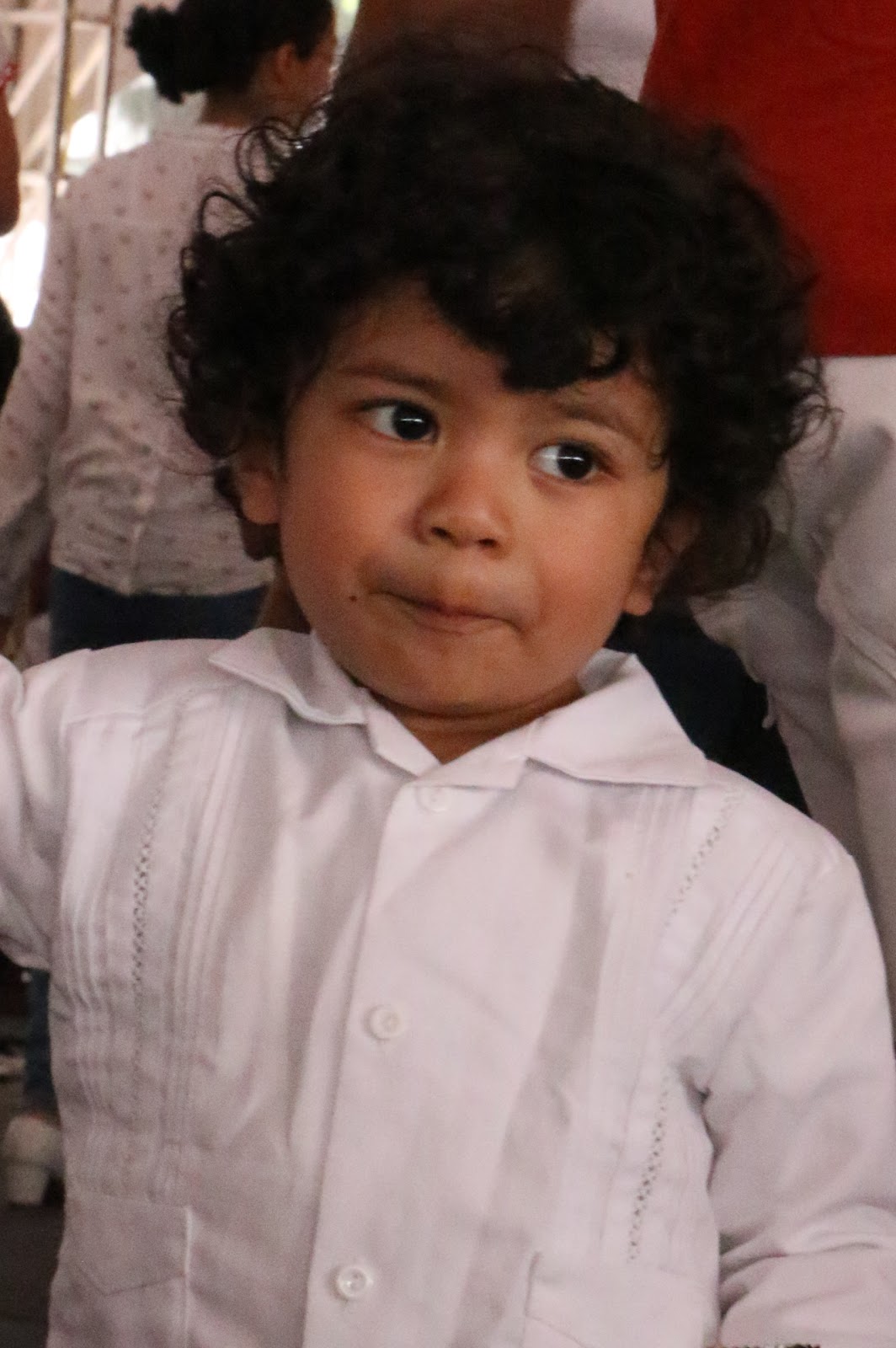 |
| the youngest. |
 |
| Even ... |

Mercado de Artesanías
Next to the music and dance tent is another of equal size, in which a mercado, market, has been created with puestos selling artesanía, arts and craft items such as rebozos (shawls), jewelry and traditional clothing, as well as specialty foods, such as Oaxaca chocolate, natural honey and fruit wines.

 |
| Rebozos These are from Oaxaca. Each region has its own style. |
 |
| Beaded jewelry from the Huichol people of Central Mexico |
Traditional Mexico in the Big City
The fair is a wonderful experience of traditional Mexico in its various dimesions of folk music and dance, food and crafts. We have seen nothing like it before in Mexico City. One hardly ever sees a chilanga, Mexico City woman, dressed traditionally. Occasionally, one sees a traditionally dressed indigenous woman selling in a tianguis, street market, or as an ambulante, itinerant street merchant, but that is all.


In Pátzcuaro, Michoacán, where we lived for three years, there were many indigenous Purépecha women in traditional dress in the mercado and on the streets. Non-indigenous women would wear rebozos, traditional shawls and, perhaps traditional jewelry, but little else in that style. Indigenous men often wore jeans, "western-style" cowboy shirts, boots and sombreros. The dress of non-indigenous men was indistinguisable from the casual dress of men in a small U.S. city or town: T-shirts or golf shirts, jeans or slacks.
We spoke with a number of the celebrants at the fair, asking where they were from. Many were from the states south of Mexico City which have significant indigenous populations: Guerrero, Oaxaca, Chiapas, as well as Veracruz and the State of Puebla to the east and the State of Mexico, which surrounds Mexico City, as well as Michoacán to the west. Yet many wearing traditional dress also replied that they were from the City, while their attire was from "las provincias", the provinces, i.e., one or another of the states. They were clearly enjoying dressing in traditional fashion and dancing to traditional music. We wondered how this blending of city and country people in a shared folk tradition had come about.
Son Mexican, The Mexican Sound
Talking with one of the merchants, from whom we bought a pair of traditional peasant cotton muslin pants which are cool and comfortable for wearing at home in the summer, we asked what was the meaning of Son para Milo. As it happened, he spoke fluent English, as he had worked in the U.S., but he couldn't readily find the English word for "son". We knew it meant sound in the sense of a musical tone. Together, we finally came up with "song and dance".
When we got back home, we did some research. It turns out Wikipedia has a wonderfully clear and extensive article on Son Mexicano:
As for the Milo that the event was "for", well, further research uncovered a wondeful story of a Mexican folk artist.
When we got back home, we did some research. It turns out Wikipedia has a wonderfully clear and extensive article on Son Mexicano:
"The term 'son' applies to a category of Mexican folk music which includes a variety of styles that vary by region. However, these styles share a number of common characteristics in rhythms, lyrics and dance. The music is a mix of Spanish Baroque, African and indigenous elements, which mingled at least as far back as the 18th century.
"It is most popular on the Gulf Coast and certain sections of the Pacific coast, with three main regional varieties: son jarocho in Veracruz, son huasteco (or huapango) in the La Huasteca region (east-central Mexico) and son jaliscience, in Jalisco, which has morphed into what is now known as Mariachi. In Guerrero and Oaxaca it is called Chilena, for some legendary ties to Chilenean sailors shipwreaked on Mexican shores. In Michoacán, the Purépecha play pirékua.
"Mexican son is usually played with string and percussion instruments. All musicians generally sing but there is usually one or two lead singers. Most son songs are about love, mythological figures, legends, the landscapes of Mexico as well as political and religious themes.
"Dancers are generally couples executing zapateados, stomping with hard-heeled shoes on a raised wooden dance floor called a tarima. The zapateado provides most of the percussion in son jarocho and son huasteco."
Para Milo
As for the Milo that the event was "for", well, further research uncovered a wondeful story of a Mexican folk artist.
 |
| Professor Hermila 'Milo' Rojas Aragón |
For Love of Milo
Hemilo 'Milo' Rojas Aragón was born in in the Zapotec pueblo of Zaachila, in the Central Valleys of Oaxaca in 1961. He took an early interest in the folk music and dance of his people. In the fall of 1976, at the age of fifteen, he entered the Distinguished National Teachers School in Mexico City. There, he joined one of the dance workshops, called Tezcatlipoca (Nahua god of the night and obscure matters), a workshop that sought to be a vehicle for preserving and promoting traditional Mexican music and dance.
Milo demonstrated great talent as a dancer. One of his teachers said that "he danced with his heart". Upon his graduation, he became director of choreography and then artistic director of the workshop. Parallel to his participation in the dance workshop, he entered the school of Mexican folkloric dance of the National Institute of Fine Arts (Bellas Artes) where he trained from 1980 to 1983.
Milo was the founder, in 1985, of one of the most renowned Mexican dance courses within the National Teachers School, "Dance as an Integrator of Art", in which he participated for more than 10 years. He was also an elementary school teacher in several schools in Mexico City. He participated in projects focused on the development of new methods for teaching the arts and in training workshops in the country's normal schools. He received numerous recognitions from Mexican institutions of higher education for his artistic and choreographic direction of Mexican dance.
The event was very successful, it was decided to institutionalize it as an annual event "Son Para Milo: Encounter of Traditional Mexican Music".
What we saw in our visit to this year's festival was how much many Mexicans of all ages—whether from the "provinces" of highly indigenous Oaxaca, Guerrero, Chiapas and other states or hip, urbane chilangos, Mexico City residents—share a love of their traditional music and are enthusiastic bailadores, dancers, who incarnate this love in their bodies con mucho ánimo, with much spirit.
Son Para Milo is the promoter of all the tangible and intangible heritage of which we are the possessors, which we assume as an inescapable and responsible commitment to maintain the values that give us identity as Mexicans.
Son Para Milo is a cultural movement that brings citizens closer to an encounter with their culture, customs and traditions. It is a flow of emotions where the joy of music, the colors of the apparel, the smells and flavors of their traditional food, which is rich and extensive, is manifested.
Countryside and City Joined
We have read much about the split between traditional indigenous and mestizo (mixed-race) Mexican peoples and "modern", European and U.S.-oriented urban Mexicans—a split instituted with the Spanish Conquest and the Spanish caste system. In Son Para Milo, in their dancing together and wearing traditional dress, the two groups, country pueblerinos and urban citadinos, blend indistinguishably together, con mucho alegría, with much joy, and with mucho orgullo, obvious pride in their shared Mexican heritage and identity.
Our sense is that Son Para Milo gives them the opportunity and freedom, publicly and together, to celebrate being Mexican. We are sure Milo would be very happy that his goal has been achieved.
 |
| Delegación Iztacalco is the small, dark green area in the northeast, southeast of Cuauhtémoc the location of Centro Histórico. |